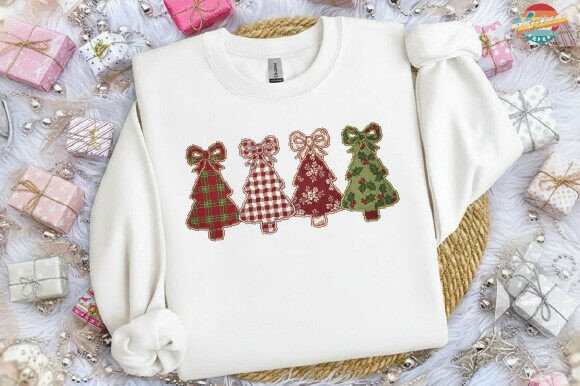
Plaid and Patterned Christmas Trees PNG: A Designer’s Review for Illustrations
When I first pulled Plaid and Patterned Christmas Trees PNG into my workspace, I wasn’t just looking at a festive clipart file; I was evaluating a potential solution for a client’s holiday packaging line. As a graphic designer who frequently juggles brand identity projects alongside seasonal marketing visuals, I have learned to look past the initial charm of an illustration to assess its structural integrity, versatility, and commercial viability. This review is not merely a description of what the asset looks like, but a practical assessment of how it performs in real-world design scenarios, from high-stakes branding to quick-turnaround social media graphics.
The First Impression: Mood and Visual Language
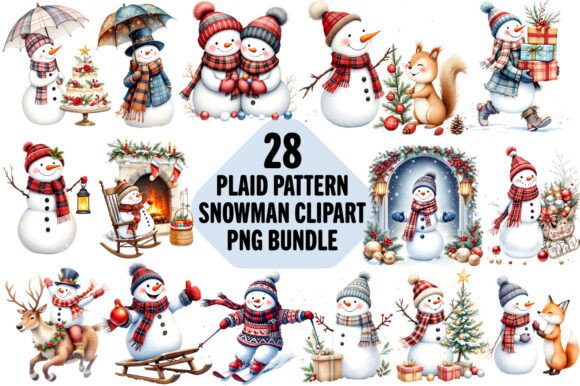
The immediate appeal of this illustration lies in its cozy, nostalgic aesthetic. The plaid patterns evoke a sense of warmth, tradition, and handmade craftsmanship that resonates deeply with audiences during the winter season. Unlike generic vector trees that can feel sterile or overly corporate, these patterned designs bring texture and personality to the page. For a small business owner launching a limited-edition candle collection or a boutique preparing holiday gift boxes, this visual language signals approachability and care.
However, the "plaid" element introduces complexity. In design, patterns are powerful tools for establishing mood, but they also compete for visual attention. When reviewing this graphic design asset, I noted that the contrast within the plaid itself must be sharp enough to remain legible when scaled down. If the lines are too thin or the color palette too muddy, the tree loses its definition, turning into a blurry blob rather than a distinct icon. Fortunately, this particular set appears to maintain strong structural clarity, making it suitable for both digital screens and physical prints.
Real-World Application: From Packaging to Print-on-Demand
In my recent workflow, I often receive requests for assets that need to bridge the gap between digital ads and physical products. This is where Plaid and Patterned Christmas Trees PNG shines. Let’s consider a realistic case study: a client running a print-on-demand store selling holiday-themed tote bags and mugs. They need a central graphic that works on white ceramic, dark fabric, and glossy paper labels.
- Packaging Design: The asset serves beautifully as a focal point on product tags. Because the PNG format includes transparency (assuming proper export), it can be overlaid directly onto textured paper backgrounds without a harsh white box surrounding it. This integration elevates the perceived value of the product, moving it away from "cheap sticker" territory into "curated gift" territory.
- Social Media Graphics: For Instagram posts and Pinterest pins, the detailed patterns allow the image to hold its own even in smaller thumbnails. The intricate nature of the plaid draws the eye, increasing click-through rates compared to simpler, flat-color illustrations.
- Craft Projects: For designers using Cricut or Silhouette machines, this asset is a goldmine. Whether used for sublimation design on tumblers or cutting vinyl for window decals, the clean edges of the PNG ensure precise reproduction. It fits perfectly into the ecosystem of the modern handmade business, supporting everything from Etsy product listings to local market booth displays.
Strategic Placement: Where It Works Best
Not every design element belongs everywhere. Based on my experience with visual hierarchy and brand consistency, there are specific contexts where this asset will thrive, and others where it might cause clutter.
The asset performs optimally in large layout areas and hero graphics. When placed as the main subject of a flyer, poster, or website banner, the details of the plaid patterns become an asset rather than a distraction. It works exceptionally well as a decorative accent in themed collections, such as a series of holiday cards or a seasonal email newsletter header. In these spaces, the pattern adds depth and richness without overwhelming the primary message.
It is also highly effective when used in product mockups. Imagine placing this tree graphic onto a digital mockup of a linen napkin or a wooden sign. The pattern interacts naturally with the material textures, creating a cohesive and professional final result. For digital sellers creating Canva templates, this asset provides a ready-made "vibe" that clients can easily customize by changing the text colors to match their brand identity.
Design Pitfalls: Where to Exercise Caution
While versatile, no single asset is a universal fix. There are critical situations where Plaid and Patterned Christmas Trees PNG should be used carefully, if at all.
Avoid using this asset in minimalist branding projects. If your client’s aesthetic is strictly Swiss-style, ultra-clean, and focused on negative space, a busy plaid pattern will clash with their established visual trust. Similarly, in crowded layouts—such as a dense infographic or a calendar grid—the pattern may compete with other elements, causing visual noise and reducing readability.
Furthermore, be wary of low-contrast applications. Placing a light-colored plaid tree on a white background will render it invisible. Conversely, a dark pattern on a black background may lose its detail. Always test the asset against the intended background before finalizing the design. For professional corporate materials that require a serious tone, this whimsical, pattern-heavy illustration may undermine the brand’s authority. Save it for lifestyle brands, creative agencies, and consumer-facing retail campaigns.
Practical Designer Notes for Commercial Use
Before integrating this digital product into a client project, there are several technical checks every designer should perform. These steps ensure professionalism and protect against common design errors.
- Black and White Test: Convert the asset to grayscale. Does the tree still read as a tree? If the pattern relies solely on color differences to define shapes, it may fail in monochrome applications like faxed documents or simple black-and-white printing.
- Contrast Check: Preview the PNG on both light and dark backgrounds. Ensure the edges remain crisp and the internal patterns do not vibrate or blur due to insufficient contrast.
- Scalability Inspection: Zoom out to 10% size. Will the plaid lines merge into a muddy gray mass? If so, limit its use to larger formats only.
- File Format Verification: Confirm whether the purchase includes SVG or vector versions. While PNGs are excellent for web and raster-based editing, vectors offer infinite scalability and easier color manipulation. If you need to change the red plaid to green for a second campaign, a vector file saves hours of work.
- Font Pairing: Consider how typography interacts with the pattern. A bold sans-serif font can anchor the busy pattern, while a delicate script font might get lost. Test combinations with serif fonts for a traditional look or handwritten fonts for a personal touch.
- Licensing Confirmation: Most importantly, verify the commercial license. Ensure you are permitted to use the asset for client projects, especially for end-products like t-shirts or mugs that will be sold. Some licenses restrict the number of items sold or prohibit resale of the digital file itself.
Final Verdict
Plaid and Patterned Christmas Trees PNG is a robust, charming, and commercially viable asset for designers working in the lifestyle, retail, and creative sectors. It brings instant seasonal character to any project, from editorial design to web design. By understanding its strengths in texture and mood, while respecting its limitations in minimalism and scale, designers can leverage this illustration to create polished, engaging, and emotionally resonant work. For anyone building a brand identity around warmth, tradition, or creativity, this asset is a worthy addition to the design toolkit.